


23/01/2026 01:00 PM
A wooden pergola is a timeless addition that brings structure, style, and practicality to any outdoor space. Whether you want to create shade, support climbing plants, or introduce a beautifully framed seating area, pergolas offer an elegant and long lasting solution.
Crafted from superior quality Jakcure® treated softwood and guaranteed for 25 years, our pergola kits are designed to suit a wide variety of gardens and purposes.
The Three Main Types of Pergola
With several pergola styles available, including single, double, and corner designs, the question is not simply which looks best, but which is right for your garden. This guide will help you understand how each pergola works, and how to choose the most suitable option based on your needs, garden size and layout, and creative ambitions.
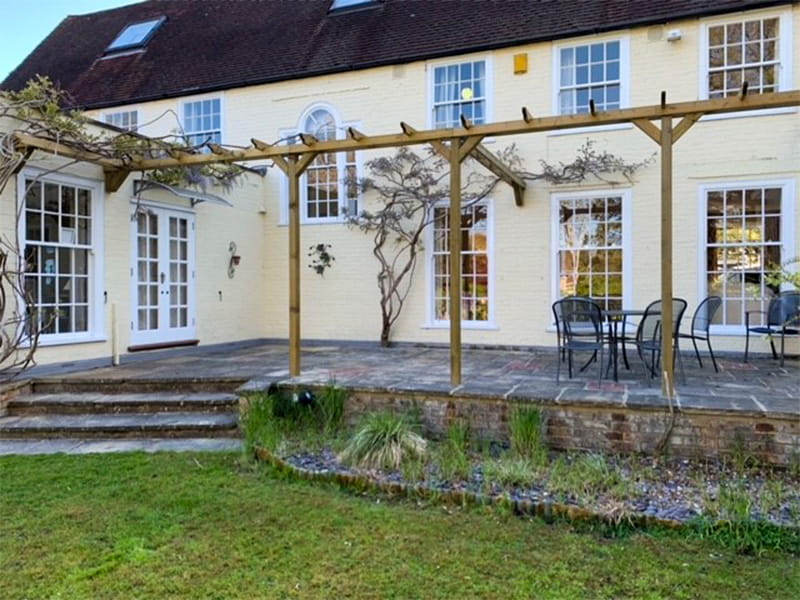
Single pergolas: A single pergola consists of a single file line of bays. This can be one solitary bay or several bays arranged in a straight line. Single pergolas are ideal for narrow gardens, adding a backdrop to just one side of a feature like a flowerbed, and offering support for plants without overwhelming the area.
Double pergolas: Double pergolas are constructed from multiple bays arranged in two parallel lines. Posts and rails run alongside each other with cross members connecting both sides. This creates a strong architectural feature that is perfect for framing walkways, forming outdoor rooms, or introducing a focal point.
Corner pergolas: Corner pergolas are supplied with two or three diamond trellis panels to create two or three bays. They can be installed with one bay on each side of the corner, or with two bays on one side and one on the other to create an L-shaped design. They are particularly effective in smaller gardens where space must be used efficiently.
For further detail on how these structures fit together, explore our blog on parts of a pergola.
The Pergola Guide: Find the Style That Suits Your Garden
Below you will find a practical guide on choosing the best type of pergola for a range of common garden scenarios.
Defining Different Areas
A single wooden pergola is perfect for dividing spaces in a subtle and stylish way. If you want to mark a transition between a patio and lawn, or create a light structure between entertaining zones, the linear form of a single pergola provides clarity without enclosing the garden.
See this in action in our project contemporary garden design, where pergolas help guide the eye through the space.
Creating Shade
A timber pergola is one of the most attractive ways to create shade. A single pergola works well over a bench or compact seating area, while a double pergola can span larger outdoor dining or lounge zones. When paired with climbing plants, these structures become effective garden shelters without blocking light entirely.
For more inspiration on shade solutions, read our blog on creating shade by building a pergola on to your house.
Supporting Climbing Plants
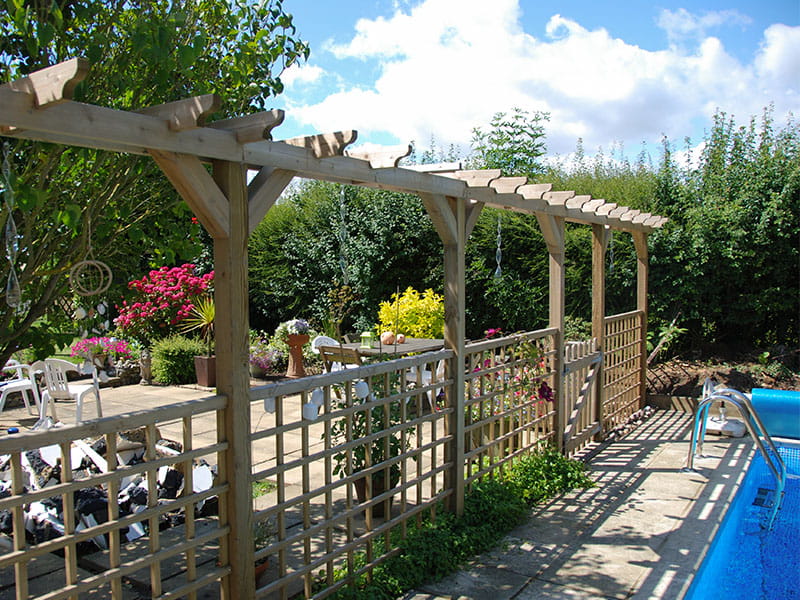
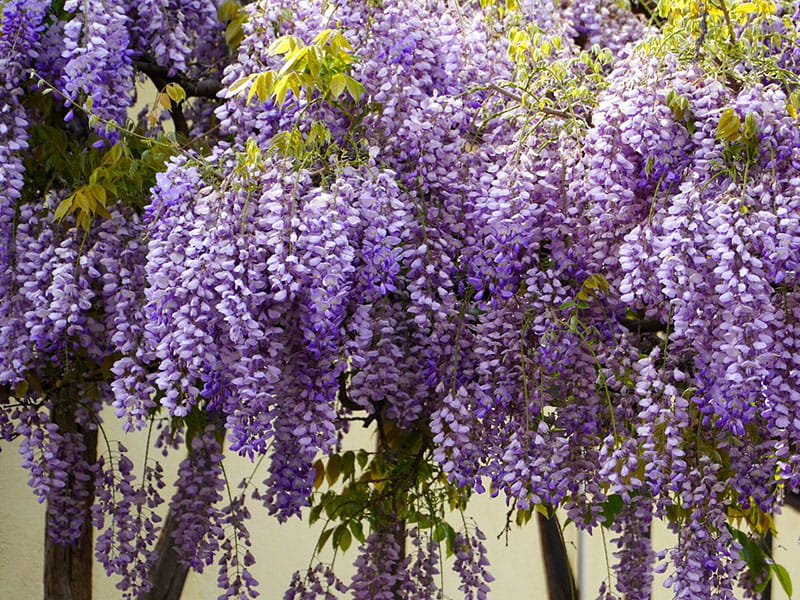
Pergolas are excellent for plant lovers. Both single and double pergolas work beautifully with climbers such as honeysuckle, passion flowers, clematis, climbing and rambling roses, and wisteria.
To enhance this, you can add trellis or fence infill panels. These infill sections support plant growth, add decorative interest, help divide different areas of the garden, and introduce additional privacy.
Our full trellis range includes square, lattice, and diamond panels, all of which complement a timber pergola beautifully.
Extending Your Living Space
If you want a true outdoor room, choose a double pergola. The parallel beams create a natural roofline that can be dressed with lights and climbing plants. This style is perfect for dining areas, garden lounges, hot tub spaces, or outdoor kitchens.
For a lovely example, read our customer story about Brian’s outdoor retreat. He created a peaceful and private garden room beside his home by combining a pergola with woven fence panels and matching gates, creating a private and welcoming outdoor sanctuary.
Improving Privacy
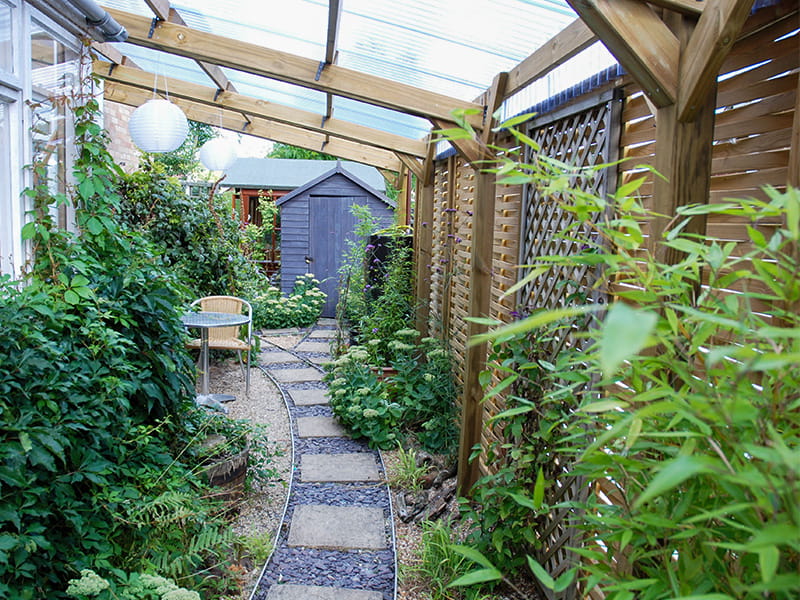
If you have an overlooked garden or want to increase privacy in some areas of your garden, a double timber pergola combined with trellis or Venetian fence panels offers stylish and effective privacy. The structure provides shape and height, while the panels allow light and air to filter through.
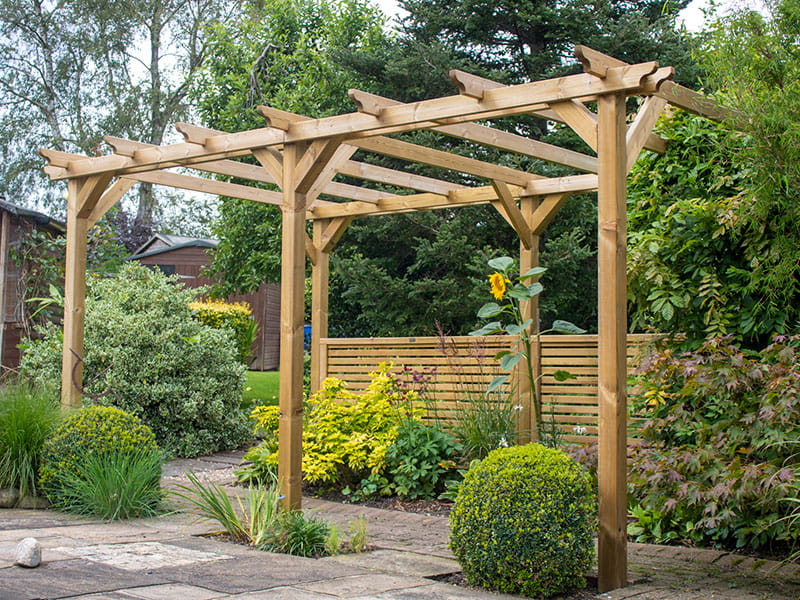
Creating Decorative Garden Screens
For decorative privacy or structural planting, a single wooden pergola fitted with trellis panels creates an elegant screen. Adding a planter at the base enhances the height and adds layers of colour and texture. This can be seen in this customer project, where a pergola over raised beds creates a garden friendly green screen and a perfect framework for climbing plants like clematis, forming a natural backdrop to the dining area.
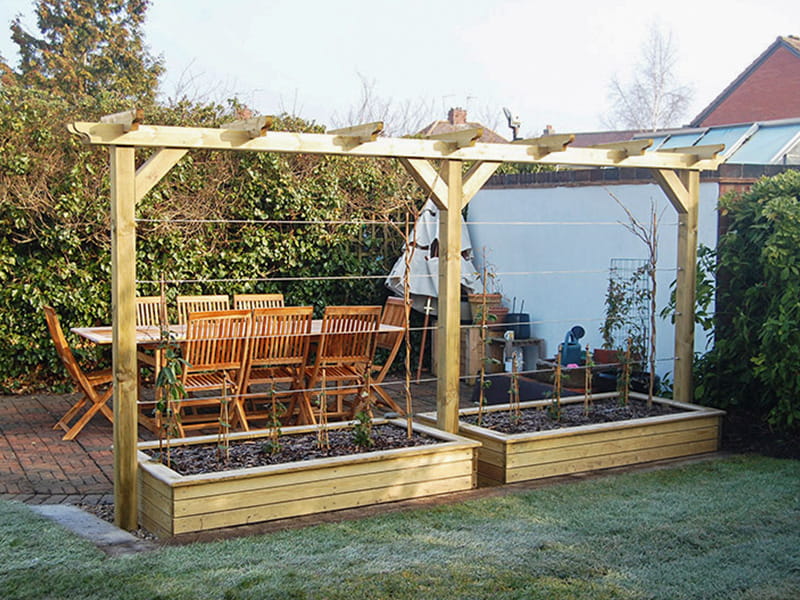
Framing Walkways or Garden Paths
Double pergolas are ideal for framing paths or walkways. The twin lines of posts create perspective and lead the eye through the garden. When planted with wisteria or roses, the result is a romantic and immersive experience. Whether you add plants or leave them as a standalone structure they create an eye catching feature that becomes a focal point.
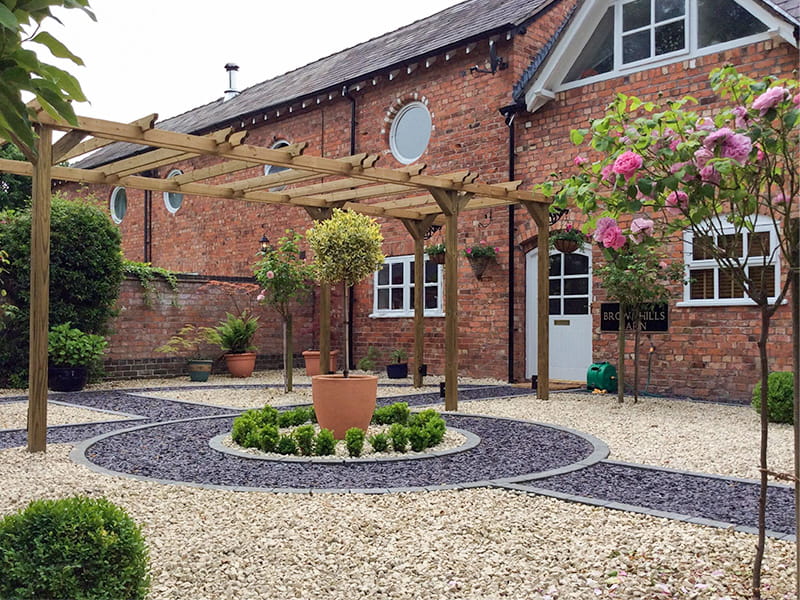
Framing a Seating or Dining Area
Corner pergolas are perfect for creating a sheltered nook for seating or al fresco dining. Their L shaped layout tucks neatly into garden corners, turning unused areas into inviting social spaces. Adding lighting creates a beautiful evening atmosphere.
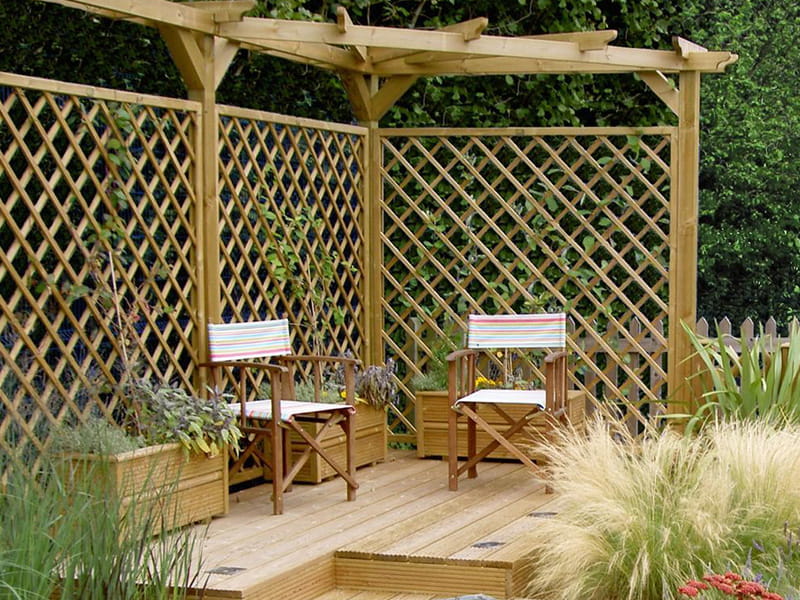
Designing a Pergola Entryway
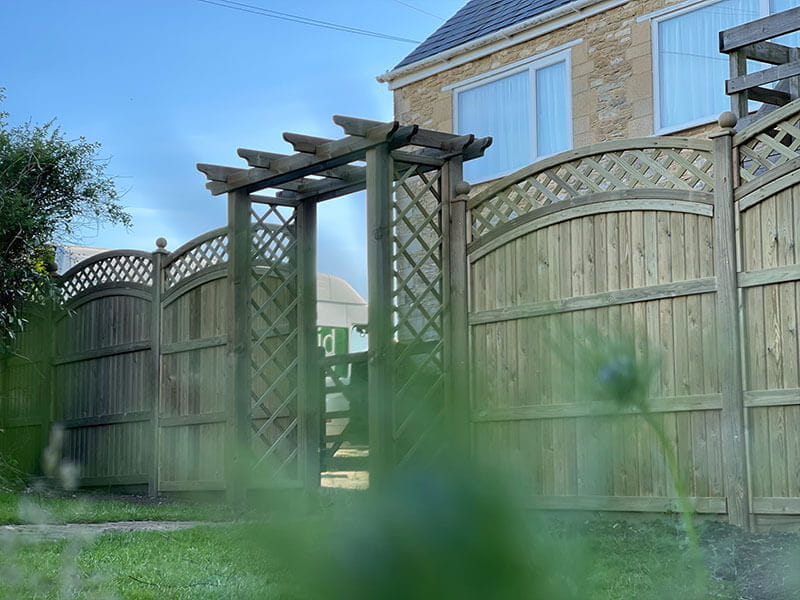
Pergolas can act as gateways into different parts of the garden. A custom single or double timber pergola can mark the entrance to a patio, garden room, or transition between zones. See this project for an example of how a custom pergola pairs with arch top fence panels and trellis.
For Unique and Modern Homes and Gardens
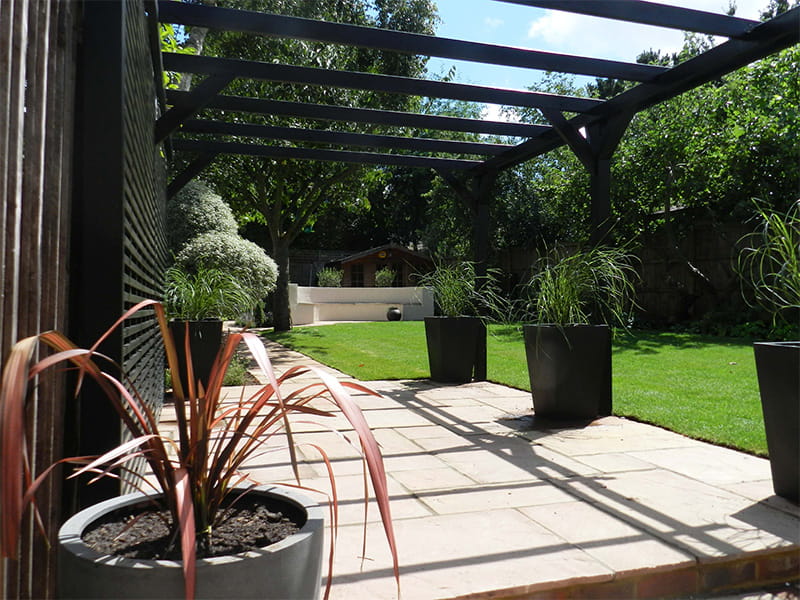
A pergola can also be used to bring a contemporary edge to the garden. Garden Designer Helen Williams demonstrated this beautifully by incorporating a striking black timber pergola into a complete garden redesign. The structure added definition and height while maintaining an open, modern feel, helping to separate seating and relaxation zones without making the garden feel enclosed. Its bold finish echoed architectural details from the house, creating a strong visual link between the home and garden and improving the overall flow of the space.
The result is a contemporary outdoor setting that feels cohesive, inviting, and usable throughout the year. Read more about the customer project here.
Making a Wildlife Friendly Garden Feature
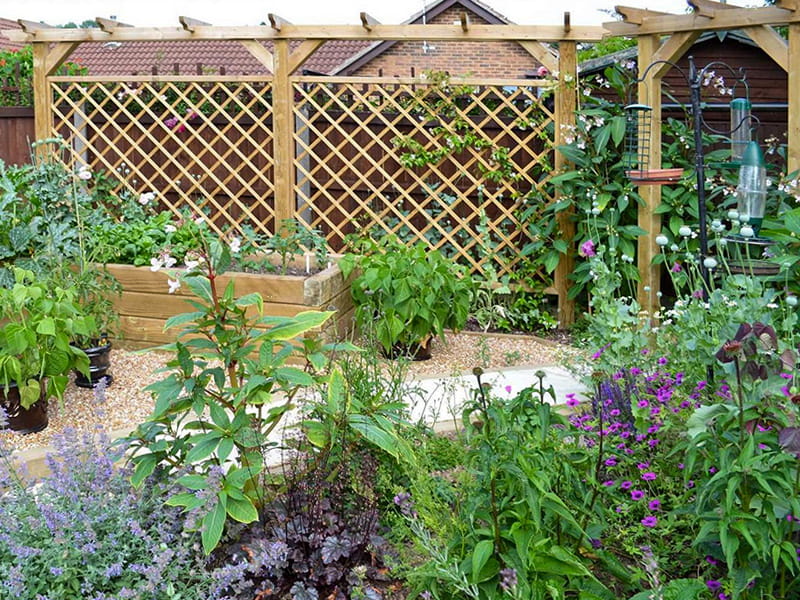
A pergola with trellis encourages wildlife by supporting flowering climbers and offering natural places to hang bird feeders or bee hotels. It creates a peaceful spot for watching garden activity. This works well with a corner pergola, or with a single or double pergola fitted with trellis.
Positioning a Pergola Over a Water Feature
A single or double pergola can frame a rill or pond, drawing attention to the water and creating a beautifully tranquil area. Climbing plants soften the lines and add movement.
Choosing the right pergola depends on what you want to achieve. Single pergolas offer subtle structure and plant support, double pergolas create dramatic architectural features and outdoor rooms, and corner pergolas are ideal for compact spaces. With the option to personalise your wooden pergola with trellis or fence infill panels, you can create a completely bespoke feature that enhances planting, increases privacy, and elevates your garden layout.
Related content:
Find out how simple pergola additions can transform your garden into a more stylish and practical space.
Read our blog to get inspired with smart ways to use wooden garden structures to add character, shade, and function to your outdoor space.
Ways to use wooden garden structures
Discover the key differences between wooden pergola kits and DIY builds to find out which option best suits your garden project.